
The Way Back Machine: What It Is and Why It Exists
By the Restorix editorial team · June 23, 2026 · 7 min read
Restore your website from the Wayback Machine
Get a free estimate in seconds — you only pay when you confirm. Failed restores refund automatically.
You searched for 'the way back machine' and ended up in the right place anyway. Almost everyone calls it that. The tool's official name is the Wayback Machine, one word, no 'the', but the mix-up is so common that search engines long ago stopped correcting people. Here is what the thing actually is, where it came from, and what it can realistically do for you.
The Way Back Machine, or Why Everyone Gets the Name Wrong
Officially, it is the Wayback Machine, a free service of the Internet Archive that lives at web.archive.org. Type any web address into it and you can browse that page as it looked on hundreds or thousands of past dates, going back to 1996. The collection passed 900 billion archived pages and grows by more than a billion pages a week.
People call it 'the way back machine', 'the wayback', 'the archive', or just 'archive.org', all of those land in the same place, and nobody at the Internet Archive will correct you. The confusion is understandable, because the name itself is a joke about an even older name, which brings us to the cartoon.
Using it takes ten seconds. Paste any web address into the search box, and you get a bar graph of captures by year above a calendar of circled days. Pick a year, pick a circle, and the page opens as it looked at that moment, with a banner on top showing the exact timestamp. No account, no payment, no manual to read.
Where the Name Actually Comes From
Restore your website from the Wayback Machine
Get a free estimate in seconds — you only pay when you confirm. Failed restores refund automatically.
The name is a tribute to the WABAC machine, pronounced 'wayback', a time-travel device from Peabody's Improbable History, a segment in the early-1960s Rocky and Bullwinkle cartoons. A genius dog and his adopted boy used it to visit historical events, which they usually made worse before making them better.
Brewster Kahle picked the pun when the archive opened to the public in 2001, and it has been misremembered ever since, mostly as 'way back', three words. If you half-remember a cartoon dog with glasses, your memory is fine. That is genuinely where the name comes from.

Why the Way Back Machine Exists at All
The short answer: because nobody else was going to do it. The web deletes itself constantly. Pages get edited without notice, companies fold, hosting bills go unpaid, and a decade of someone's work can vanish between two crawls. Kahle, a computer engineer who co-created the WAIS publishing system in the early 1990s, founded the Internet Archive in 1996 with a mission he states plainly: universal access to all knowledge. A Library of Alexandria for the internet, built before the first one finished burning.
The raw material came from Alexa Internet, a web-analytics company Kahle co-founded the same year. Alexa crawled the web to measure traffic, and those crawls were donated to the Archive. Amazon bought Alexa in 1999, the crawl donations continued, and in October 2001 the Wayback Machine opened to the public, the point where the archive stopped being a private hoard and became a public library.
The organization behind it is a nonprofit library in San Francisco, funded by donations, grants, and digitization services for other libraries, not by ads. The web pages are the famous part, but the same site hosts scanned books, TV news broadcasts, live concert recordings, and old software you can run in your browser. The Wayback Machine is just the door most people walk through.
It has not all been smooth. In October 2024 a series of attacks knocked the archive offline for days, and the outage reminded everyone how much of the web's memory sits in one institution. The collection itself survived intact, crawling resumed, and the whole episode doubled as a quiet argument for saving your own pages instead of assuming they will always be there.
What the Way Back Machine Can Do
- Show you a page as it looked on a given date, the first capture of google.com, from 1998, is the classic demo.
- Recover text and images from pages that no longer exist anywhere else.
- Prove what a site claimed on a specific day: prices, promises, policies, with an exact timestamp.
- Let you browse a dead company's whole public history, capture by capture.
- Save any public page today via Save Page Now, so it can never quietly rot.
- Track how a design, a product, or a brand evolved across twenty-five years.
A friend of mine was shopping for a used synthesizer and found the manufacturer's 2003 product page, specs, original price, the manual as a PDF, on a site that had been dead for a decade. Ten minutes in the archive beat an evening of forum archaeology. That is the typical win: small, specific, and oddly satisfying.
Try it on your own history. Look up the first capture of a domain you own, your employer's homepage from 2005, or the launch-day page of a product you love. It is the closest thing the internet has to a photo album, and it costs nothing to open.
What It Can't Do
- Show pages that lived behind logins or paywalls, those were never public, so they were never archived.
- Keep pages whose owners blocked crawlers with robots.txt or asked the Archive for exclusion.
- Capture interactive apps faithfully, many modern JavaScript-heavy pages archive as empty shells.
- Play most streaming video or audio from old captures.
- Hand you a downloadable copy of a whole site. It is strictly one page at a time, in the browser.
- Resurrect server-side code. Databases, PHP, and admin panels were invisible to crawlers, so they are gone for good.
The pattern behind the list: the archive records what a visitor's browser could see, and nothing more. It is a memory of the public web, not a backup service, a difference that matters a lot if the site you lost was your own. Knowing which side of that line your problem sits on tells you whether to keep browsing or start rebuilding.
If You Came Here to Get Your Own Site Back
A large share of 'way back machine' searches come from one specific panic: my site is gone, can I get it back? Reading the old snapshots, yes, almost certainly. Getting working files back is a different job. The archive has no download button, its pages link back into the archive itself, and rebuilding page by page by hand turns a 500-page site into a very sad hobby.
Before paying anyone, check the archive coverage yourself. Look at the bar graph, find the busy years, click through a few pages. If the archive only ever caught your homepage, a restore has little to work with. If it caught hundreds or thousands of URLs, there is real material to rebuild from.
That last mile is what this restoration service does. You get a free estimate first, the exact archived file count, total size, and a locked price, before paying anything. You pay per restored file, the first file is free, and a restore that fails refunds automatically to your balance. Restores can strip old trackers and ads, convert links to relative, force HTTPS, and deploy straight to your own hosting over SSH, FTP, or S3, with a simple CMS included so the site is editable again. The tutorial shows a full restore from estimate to deploy.
Restore your website from the Wayback Machine
Get a free estimate in seconds — you only pay when you confirm. Failed restores refund automatically.
FAQ
Is it called the Way Back Machine or the Wayback Machine?
The official name is the Wayback Machine, one word, run by the Internet Archive. 'The Way Back Machine' is the most common mishearing, understandable, since the name riffs on the WABAC machine from the old Rocky and Bullwinkle cartoons. Both versions get you to the same archive.
Who runs the Wayback Machine?
The Internet Archive, a nonprofit digital library founded by Brewster Kahle in 1996 and based in San Francisco. It runs on donations, grants, and digitization services for libraries, not advertising.
Is the Wayback Machine free to use?
Yes. Browsing captures and saving pages with Save Page Now are both free. A free account adds a few extras, like saving outlinked pages. There is no paid tier for browsing.
What is the oldest page in the Wayback Machine?
The crawl data starts in 1996, so the oldest captures are nearly thirty years old. Nineties coverage is thin, though; the record gets reliably dense from the mid-2000s onward.
Can the Wayback Machine restore my deleted website?
It lets you read old snapshots, but it will not export your site, no download button, no working copy. For an actual restore with files, working links, and deployment to your hosting, use a restore service like Restorix, which rebuilds the archived version of a domain end to end.
Why do some archived pages look broken?
Each snapshot stores the page and its assets separately, and images or stylesheets were sometimes never captured or were blocked at the time. The text usually survives even when the styling does not. Trying a capture a few days earlier or later often finds an intact copy.
Related guides
wayback machine
Wayback Machine: The Complete Guide to Browsing Web History
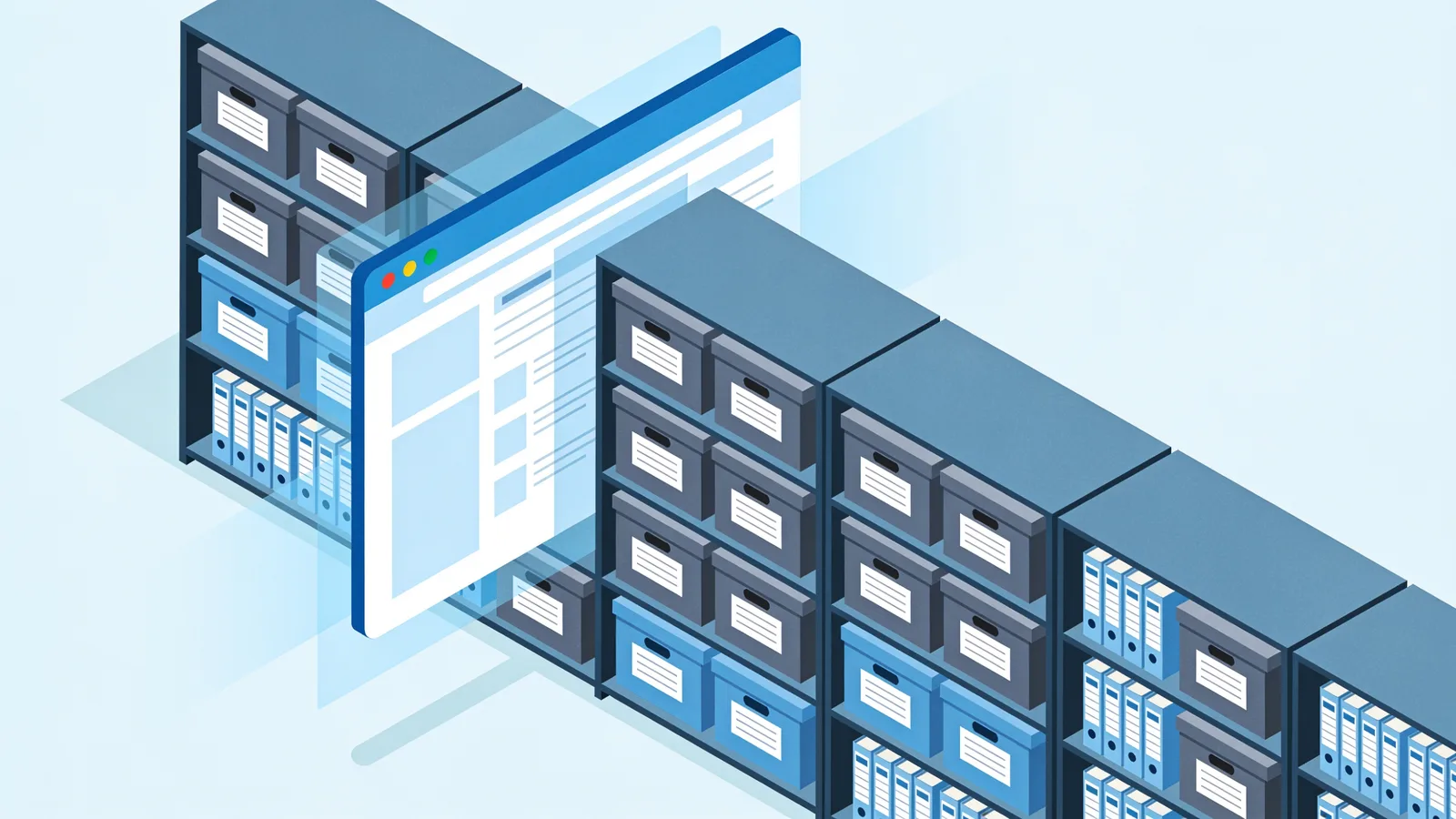
The Wayback Machine archives over 900 billion web pages. Learn how crawls, snapshots, the calendar, and search syntax work, and how to restore a lost site.
wayback
How to Use Wayback Every Day: Lost Pages, Dead Links, Old Claims
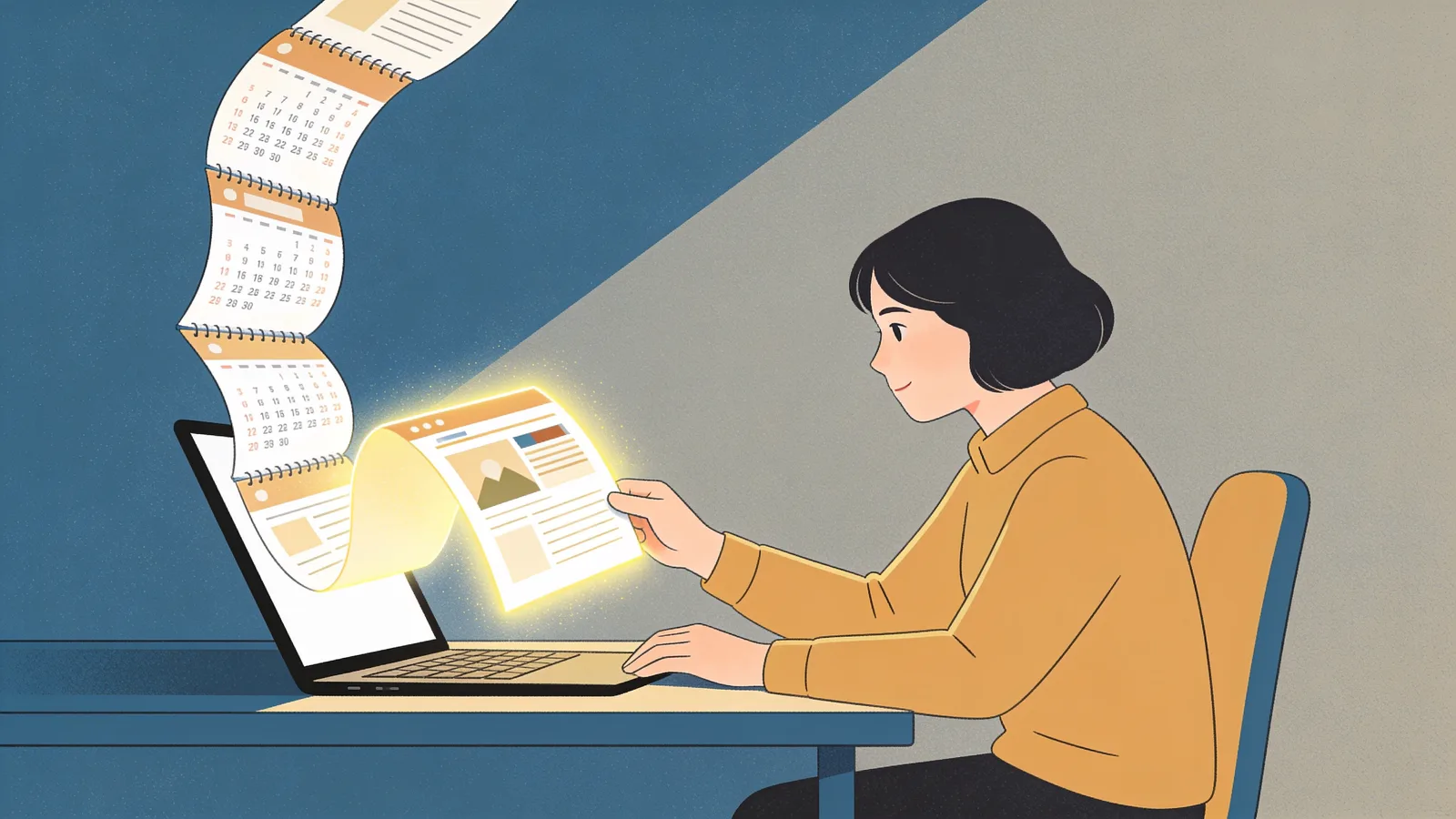
Wayback is the quickest way to recover a lost page, check what a site said last year, cite a dead link, or vet a company before you pay. Here is how.
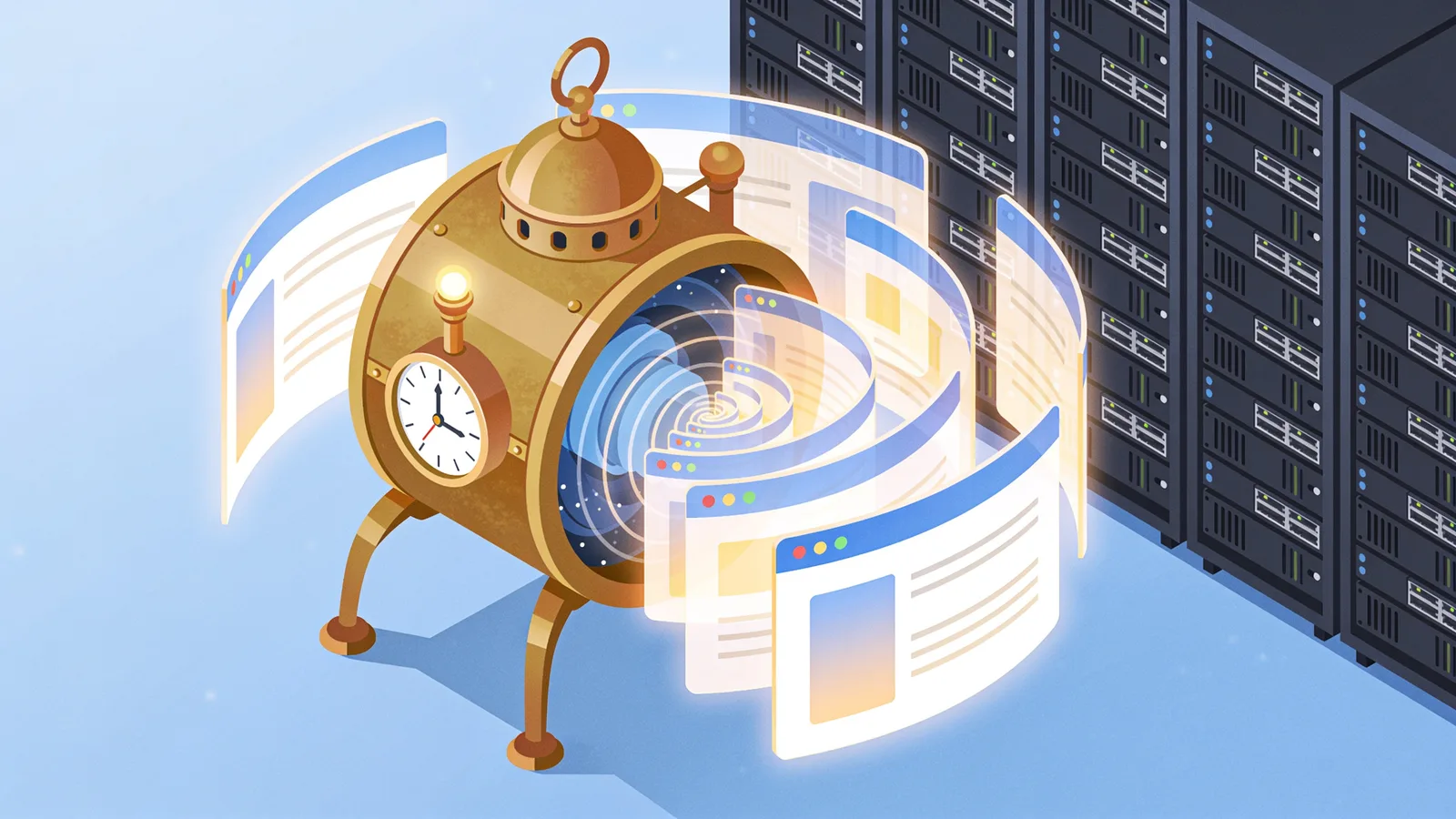
internet archive way back machine
Internet Archive Way Back Machine: A Webmaster's Guide
How the Internet Archive Way Back Machine works, the nonprofit that runs it, what 900+ billion archived pages mean, and how webmasters use it day to day.
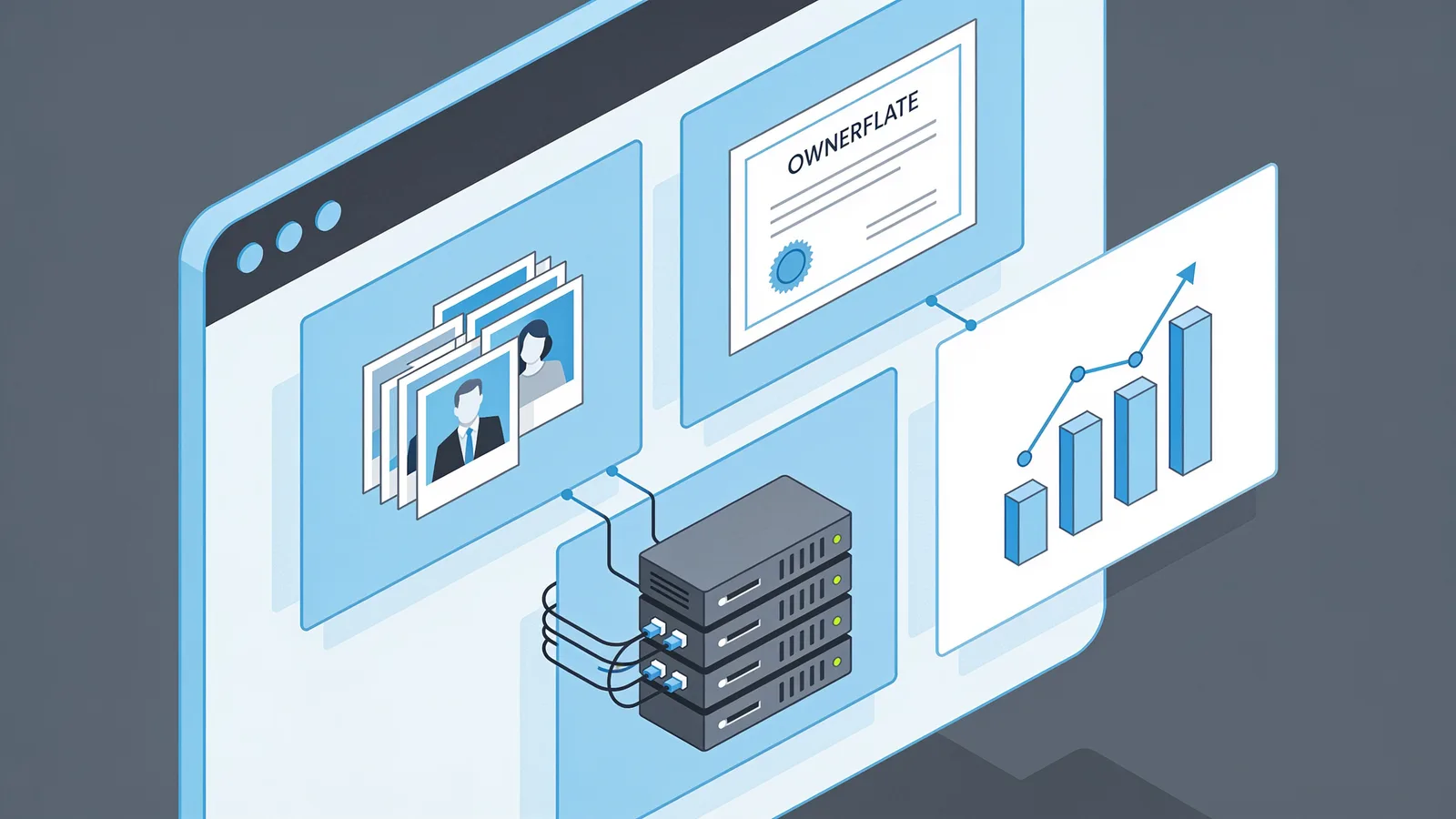
website history
Website History: Snapshots, WHOIS, DNS, and the Tools for Each
Website history can mean archived snapshots, WHOIS records, DNS changes, or old rankings. Learn which tool answers which question, and how to rebuild a lost site.